 Ελληνικά
 English
 Español
Ferrari - How an EU Court decision strengthens the Testarossa trademark
06-12-2025
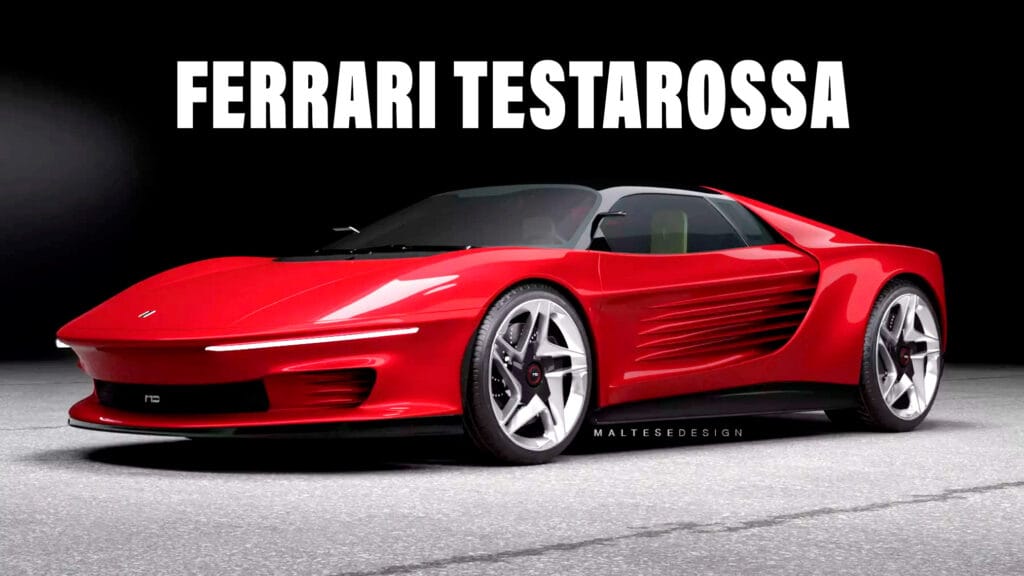
Ferrari achieved a significant court victory in the European Union, retaining protection of the iconic Testarossa trademark despite the fact that the model has not been produced for almost three decades. The EU General Court overturned an earlier decision by the EUIPO, finding that the Italian company continued to make "genuine use" of the mark through activities connected with used vehicles, spare parts and scale models.
Reversal of the EUIPO's position
The EUIPO had considered that the Testarossa mark had not been used over the previous five years in the European market, a fact that could lead to cancellation. The Court, however, held that the model's active presence in the secondary market - through resales, authenticity certifications and the circulation of official miniatures - constitutes genuine use in accordance with the law.
The decision sets a precedent for all historic marques, confirming that the value of an older model can continue to "feed" the trademark, even without new production.
The Testarossa as a living legend
Presented in 1984 and a symbol of the 1980s, the Testarossa became globally recognisable through the television series Miami Vice. Although its production stopped in 1996, the model remains highly sought after by collectors and continues to be a significant part of Ferrari's cultural heritage.
The company strengthened the value of the name through authentication services, its network of authorised dealers and the supply of spare parts, proving to the court that the mark remains "active" in the market.
Recognition of the dealer network as use of the mark
The Court recognised that Ferrari's authorised dealers function as an indication of official approval of the products, even without written authorisation. In addition, the officially licensed Testarossa scale models contributed to maintaining the recognisability of the mark.
The decision establishes the principle that a trademark does not necessarily lose its protection when production of a product stops, as long as the marque remains active in related markets.