 Ελληνικά
 English
 Español
A Nightmare for Your Brand: What happens if someone registers your own mark
06-12-2025
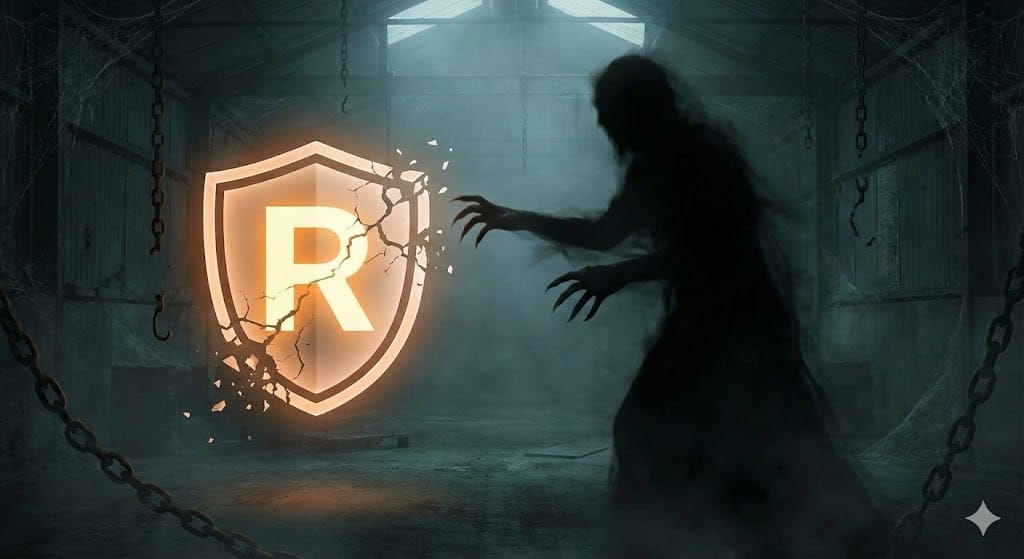
What happens if someone registers your own brand or trademark?
If someone registers your brand or trademark first, they can legally acquire exclusive rights of use and prevent you from using it commercially. This can lead to a name change, legal disputes, loss of digital presence and significant financial damage to your business.Quick answer
If you have not registered your trademark:- someone else can register it first
- they can prohibit you from using it
- they can demand compensation or money for a transfer
- you may lose the domain or the social media accounts
- you may be forced into a complete rebranding
What is a trademark?
A trademark is the legally registered distinctive sign of a business, such as a name, logo or slogan, that sets it apart from the competition and provides exclusive rights of use.Imagine the following scenario:
You have spent years building your business. You have invested in advertising, you have loyal customers and your logo is recognisable. One day, you receive a cease-and-desist letter prohibiting you from using your business's name because someone else registered it legally before you.
This phenomenon, known as Trademark Squatting or bad-faith registration, is more common than you think.
Here is exactly what can happen and how you can respond.
The immediate consequences
In Greece and the European Union, the "First-to-File" principle mainly applies. Priority goes to whoever files the registration application first, not necessarily whoever used the brand first.
If someone manages to register your mark, you may face serious problems.
1. Prohibition of use and withdrawal of products
The new "owner" of the mark can ask you to immediately stop using your name or logo.
This can mean:
- withdrawing products
- taking down signs
- changing packaging
- removing advertising material
- legal claims for trademark infringement
2. Financial extortion
In many cases, those who register other parties' marks do not intend to use them commercially. Their goal is to sell them back to the real creator.
They may demand large sums of money to transfer the mark that you created.
3. Loss of digital presence
With the registration title in hand, the third party can approach:
- TikTok
- marketplaces
- domain registrars
and request:
- the takedown of accounts
- the transfer of domain names
- the removal of content
- the restriction of advertisements
4. Forced rebranding
If no solution is found, you may be forced to change:
- name
- logo
- domain
- packaging
- corporate identity
The cost of a rebranding can be enormous, while you also lose the recognition you built over years.
Without registration vs With registration
| Without registration | With registration |
|---|---|
| Risk of copying | Legal protection |
| Possible rebranding | Exclusive rights |
| Increased risk of disputes | Stronger brand |
| Difficulty on marketplaces | Easier protection online |
| Legal uncertainty | Registered commercial identity |
Is there legal protection?
Although the system favours whoever files the application first, there are legal safeguards for cases of bad faith.
The concept of a bad-faith filing
The key to your defence is proving bad faith.
If the third party knew that the mark belongs to you and registered it with the aim of:
- blocking you
- putting financial pressure on you
- exploiting your reputation
- causing damage
then you can take legal action.
This often happens when it involves:
- former partners
- competitors
- former employees
- marketing or design partners
What you can do
Opposition
If you spot the registration application in good time, you can file an opposition before the registration is completed.
Application for invalidity or cancellation
If the mark has already been registered, you can request:
- invalidity
- cancellation
- transfer
by proving:
- prior use
- recognisability
- bad-faith conduct by the third party
Important
These procedures can be:
- time-consuming
- costly
- legally demanding
That is why it is important to have evidence such as:
- invoices
- advertisements
- screenshots
- domain registrations
- social media presence
- dates of commercial use
How to protect yourself
Register your mark as early as possible
The cost of registration is usually much lower than the cost of a dispute or a rebranding.
Monitor new trademark applications
There are monitoring services that notify you when someone attempts to register a similar brand or logo.
Register the domain names too
It is important to secure:
- .gr
- .com
- .eu
as well as the main social media usernames.
Conclusion
The trademark is one of the most important assets of a business. If it remains unregistered, there is always the risk that a third party will register it first and legally acquire rights of use.
Prevention is almost always easier and more economical than a legal dispute. Timely registration can protect your brand, your reputation and the overall value of your business.